Homes That Remember: Circular Interiors Shaped by Repair and Heirloom Stories

Today we celebrate circular interior design built around heirloom stories and a thriving repair culture, where rooms evolve through care, craft, and memory rather than constant replacement. Expect practical strategies, heartfelt anecdotes, and creative prompts that help your space honor lineage, reduce waste, and invite hands to mend what matters. Share your treasured object’s backstory, learn to fix with pride, and discover how resilient materials and thoughtful layouts can turn daily living into a meaningful, low-impact ritual of stewardship.

Roots of Circular Interiors

Circular interiors grow from a simple promise: keep materials in use, care for what exists, and let stories guide decisions. By replacing the urge for novelty with respect for continuity, homes become lighter on the planet and richer in feeling. We will explore how to measure success beyond trends, swap impulse buying for mindful maintenance, and design rooms that remain open to change. This foundation invites your participation, your objects, and your community’s skills to keep everything alive and useful.

Heirlooms as Design Anchors

Curating starts with choosing what to honor and what to pass along. Identify three to five pieces whose narratives resonate, then compose vignettes around them rather than filling every surface. Employ negative space, calm color fields, and subtle textures to lift attention where it belongs. Rotate displays seasonally to keep the room fresh, and document the shifts. Invite relatives to contribute stories, photographs, or letters nearby, layering context. This approach preserves meaning while protecting sightlines, movement, and serene daily function.
Kintsugi teaches that repair can be celebrated, not concealed. Translate that spirit into wood patches, contrasting threads, inlaid bowties, and honest patina. Embrace brass, linen, or reclaimed timber as expressive materials that highlight care. A repaired chair becomes a conversation piece, modeling resilience for children and guests. Maintain a small kit for touch-ups so micro-repairs happen promptly. Over time, these gestures build a cohesive visual language: beauty anchored in continuity, where every fix becomes a marker of attention and love.
When renewing a chair or sofa, preserve wood wear that tells of decades of hands, while refreshing tactile comfort with natural fabrics. Choose wool, linen, or hemp for durability and breathability, and document the intervention with photos and fabric swatches. Consider modular slipcovers for easy washing and future repairs. Coordinate tones with adjacent heirlooms to keep the narrative coherent. The goal is compassionate updating: honoring the object’s journey while equipping it for another long chapter of daily living.

Repair Culture as Everyday Practice

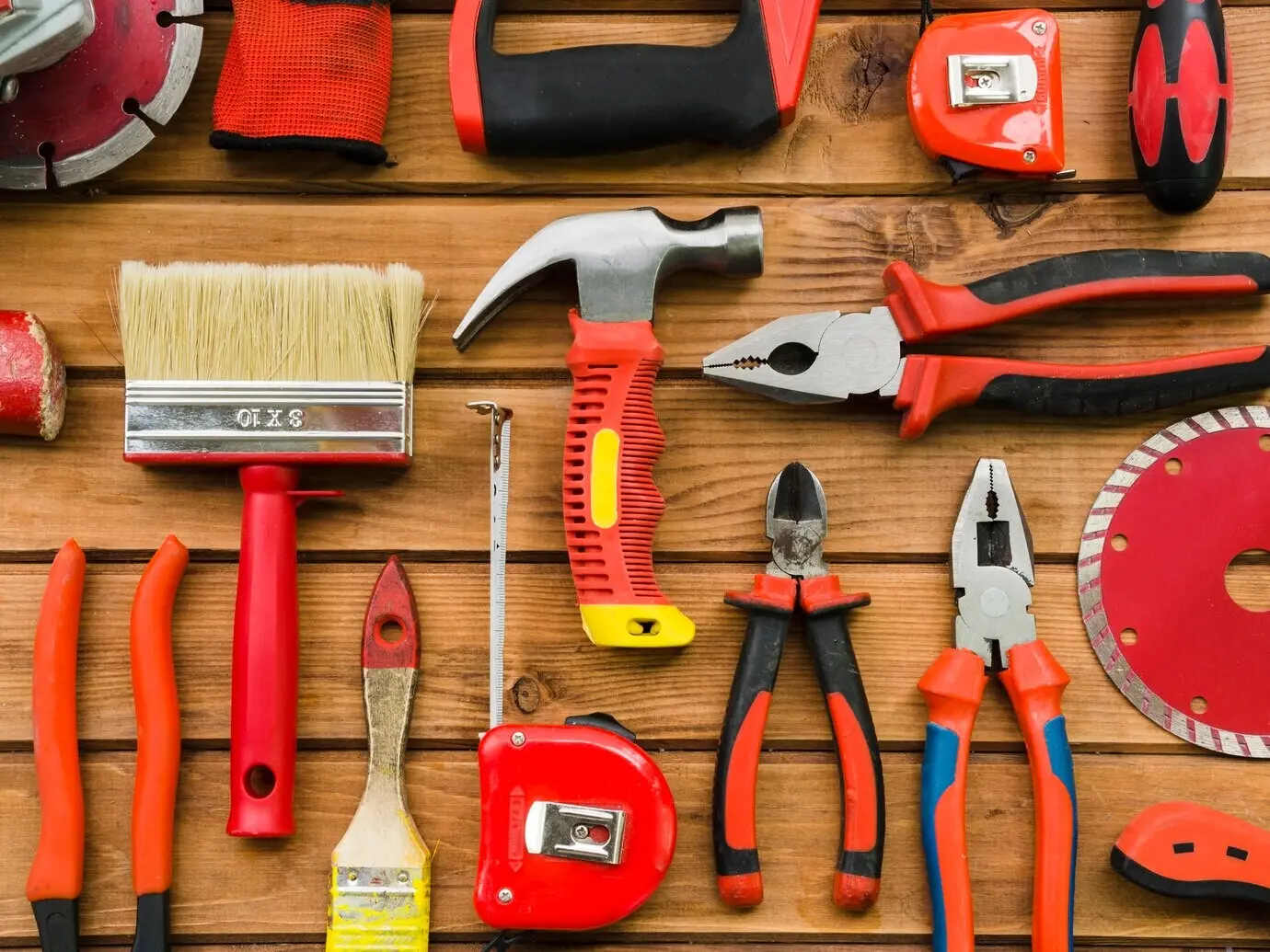
Repair thrives when it is scheduled, social, and visible. Turn maintenance into a weekly ritual, stock essential tools, and set aside a bright surface that invites small fixes. Record learnings in a simple log so future repairs become easier. Share progress with neighbors, trade knowledge with local artisans, and host casual fix-it gatherings. When repair becomes normal, objects stay useful, skills compound, and waste shrinks. The home gains a distinct heartbeat shaped by attentive care and shared pride.

Materials with Many Lives

Selecting materials for circular interiors means favoring honest fibers, recoverable hardware, and finishes that age well. Seek provenance, health, and recyclability alongside character. Salvage becomes a story-rich supply chain, turning deconstruction into sourcing. Gentle maintenance regimes keep surfaces luminous without trapping toxins. When components eventually fail, clear pathways exist for reuse, repair, or composting. This approach transforms the home into a dynamic ecosystem where parts cycle through roles, guided by curiosity, craft, and stewardship rather than novelty for novelty’s sake.

Layouts that Adapt and Endure

A circular home rearranges with seasons, guests, and changing routines, while keeping heirlooms central to daily life. Plan flexible zones and movable layers so beloved pieces remain useful, not stranded. Consider light, acoustics, and airflow to enhance restoration areas and display moments. Integrate storage that dignifies stories, not just hides them. The result is an interior that feels alive, gracious, and practical. Over time, these arrangements become second nature, letting care, creativity, and comfort flow effortlessly together.

Community, Craft, and Shared Knowledge

A thriving repair culture grows through relationships. Local artisans, neighbors, and online communities extend your capabilities, offering mentorship and inspiration. Commissioning repairs, borrowing tools, and sharing documentation builds a resilient network around your home. When you publish your methods, others learn faster and waste less. The more visible your processes, the more participants appear. This section invites you to connect, subscribe for how-to guides, comment with breakthroughs, and join a broader movement where care circulates like a generous commons.

Commissioning Local Artisans

Seek upholsterers, joiners, metalworkers, and conservators who respect both function and story. Bring clear intentions, photographs, and measurements, and ask for reversible methods whenever possible. Agree on maintenance routines and keep leftover materials for future patching. Many artisans share process insights that empower simpler repairs at home. Building these relationships sustains neighborhood economies and transmits skills across generations. Document each collaboration, credit the craftsperson, and celebrate the shared authorship that makes your interior resilient, distinctive, and deeply human.

Teaching Kids Through Fix-it Rituals

Invite children to sort screws by size, oil hinges, or stitch simple seams, emphasizing patience and safety. Celebrate small wins with a shared logbook and photos. Explain material origins and why repair reduces waste and honors history. These rituals cultivate competence and empathy, transforming maintenance into bonding time. As confidence grows, kids propose their own projects, reshaping the home with playful ingenuity. Over years, the family inherits not only objects but a living culture of attentive care.

Makafenukorihovonu
Privacy Overview

This website uses cookies so that we can provide you with the best user experience possible. Cookie information is stored in your browser and performs functions such as recognising you when you return to our website and helping our team to understand which sections of the website you find most interesting and useful.